- Episodes
- 56
- Guests
- 42
- Newsletter readers
- 10K+
- On air
- Weekly
Since October 2025 · the newsletter is Dr. Kalia's, on Substack
Signal & Symptoms
Diagnosing healthcare's digital future.
Honest conversations with people who have built, bought and implemented healthcare AI.
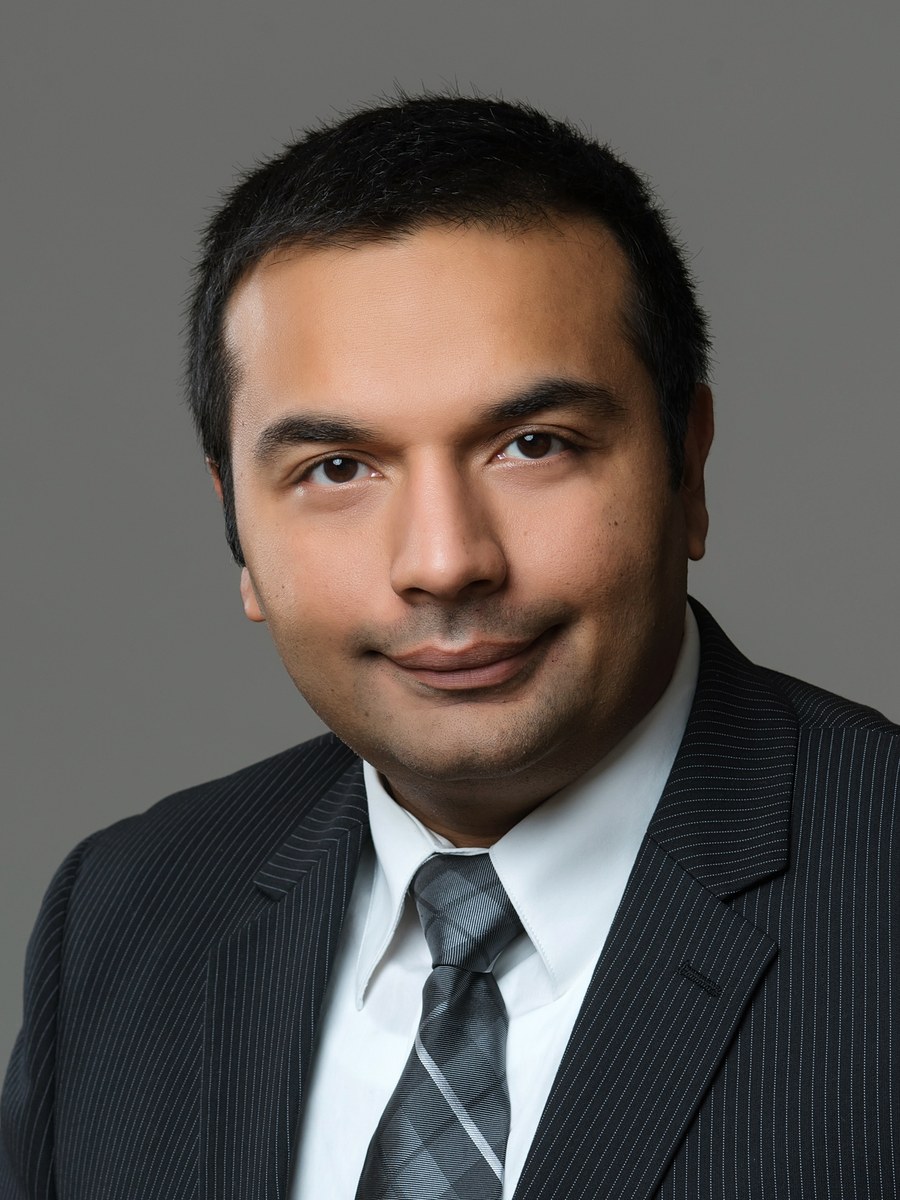
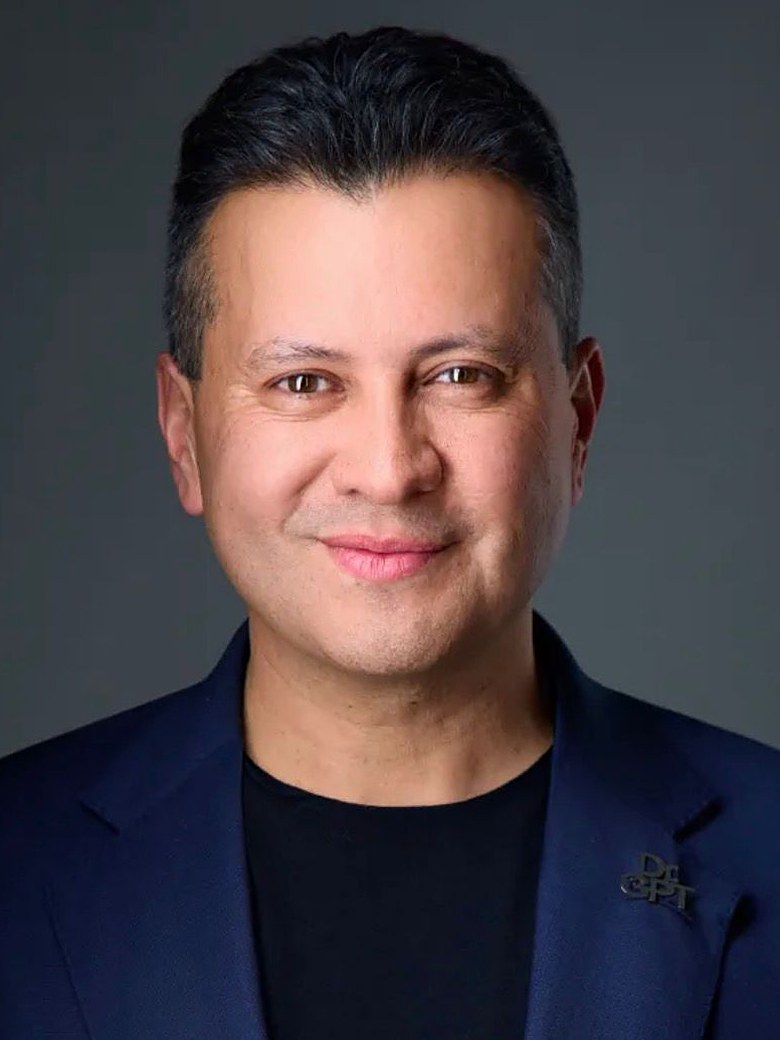
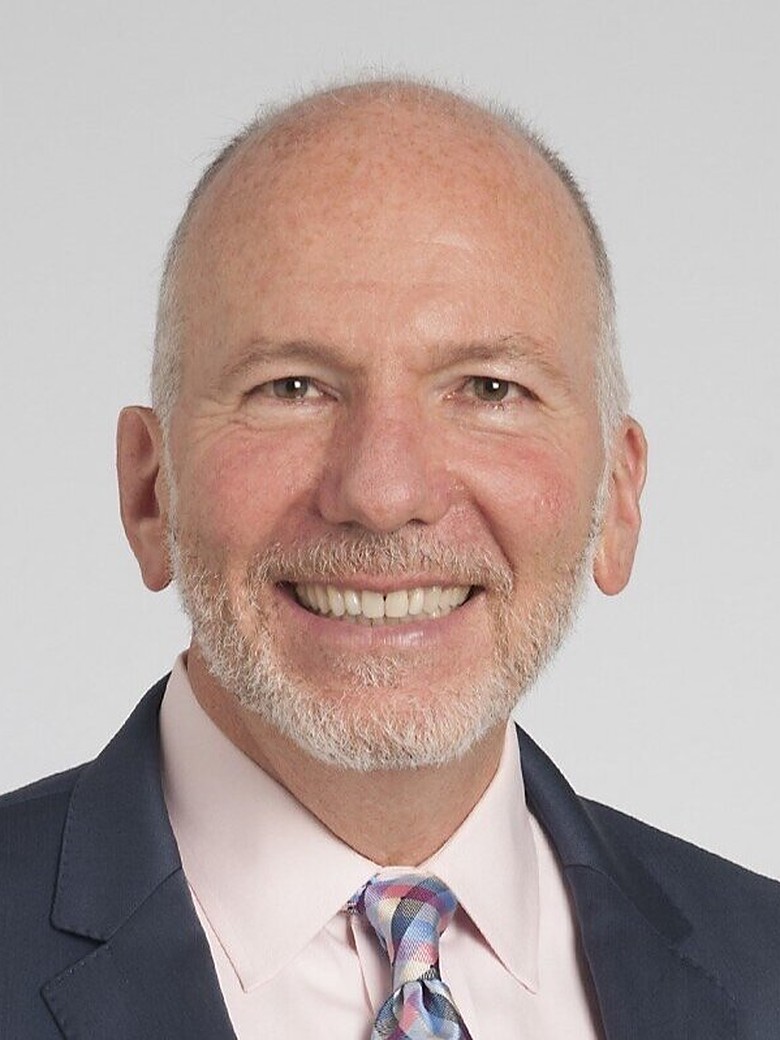
With Dr. Junaid Kalia, Dr. Harvey Castro and Edward Marx
Listen onApple PodcastsYouTubeRSS

About
Honest conversations with people who have built, bought and implemented healthcare AI. No sales pitches, no AI evangelism.
About
Honest conversations with people who have built, bought and implemented healthcare AI. No sales pitches, no AI evangelism.
About
Why we made the show
Healthcare was adopting AI like a consumer app. It is medical technology.
Signal & Symptoms began as a conversation between a neurologist, an emergency physician and a health-system executive who kept running into the same problem.
So we built a method, and a weekly show around it. Each episode puts one question to people who have built, bought or implemented healthcare AI, and works through it the way a clinician works through a case.
No sales pitches. No AI evangelism.
Just honest conversations that help you make decisions you can defend, for the clinicians, health-system leaders, founders and investors who have to decide what AI belongs in care.
What we stand for
- 01Clinical precisionEvidence-based analysis, not vendor hype.
- 02Diagnostic clarityComplex AI made clear for healthcare professionals.
- 03Collaborative expertiseClinical, strategic and academic views together.
- 04Patient-centred focusTechnology that genuinely improves patient outcomes.
The Clinical AI Diagnostic Framework
We diagnose healthcare AI the way doctors diagnose patients.
Presenting symptoms
What the patient reports
The current challenges in healthcare AI adoption
Taking history
Their background and context
The context and background behind those challenges
Physical examination
Examining the evidence
Analysing real data and evidence
Consulting specialists
Calling in the experts
Interviews with the builders, buyers and implementers
Prescribing treatment
Choosing the treatment
Strategic frameworks and actionable recommendations
Follow-up care
Checking the outcome
Tracking outcomes and long-term implications
Guests
42 people have joined us so far: physicians, health-system leaders, founders and researchers. Here is who they are and what they do.
- Dr. Alan YoungPhysician and health-system executive, EvidentlyHas sat in nearly every seat at the table: vendor chief medical officer, consultant, health-system operator and buyer-side committee chair. Now with Evidently, a clinical data intelligence platform.Episode 56
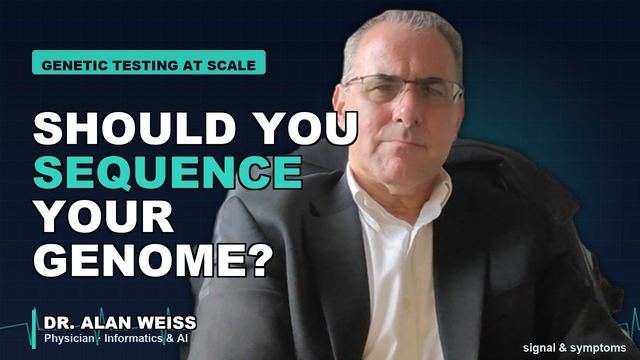
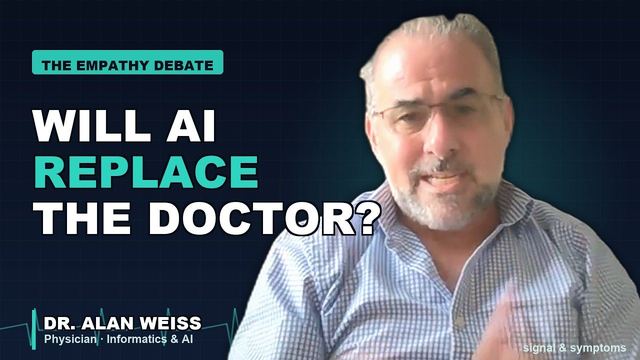
- Dr. Alan WeissSenior Vice President of Clinical Advancement, Banner HealthA physician-informaticist who calls himself "a nerd turned doctor, gone back to being a nerd". Leads clinical advancement at Banner Health and returned for a second appearance.Episodes 54 and 52
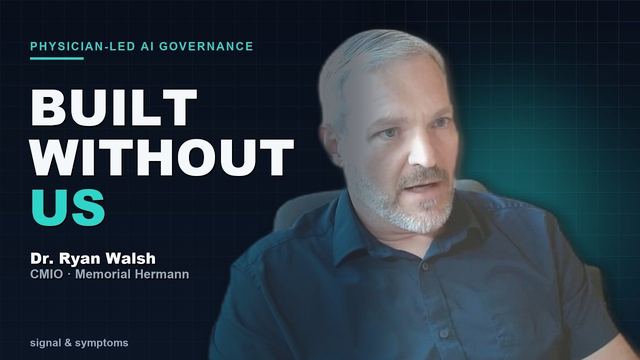
- Dr. Ryan WalshChief Medical Information Officer, Memorial Hermann Health SystemA family physician and residency educator who became a double-board-certified "human + machine" leader. Works on how clinicians can use AI safely.Episode 51
- Dr. Yeshe KwayMedical data scientist, Zhang Group, University of OxfordBuilds AI that reads cardiovascular MRI at Oxford, including a way to produce a contrast-enhanced cardiac MRI without injecting contrast.Episode 45
- Dr. Agata KrasońSenior Clinical and Imaging Data Scientist, Roche (Basel, Switzerland)Works on turning medical imaging into clinical AI: data standardisation, harmonisation and the foundations that decide whether a model can be trusted.Episode 50
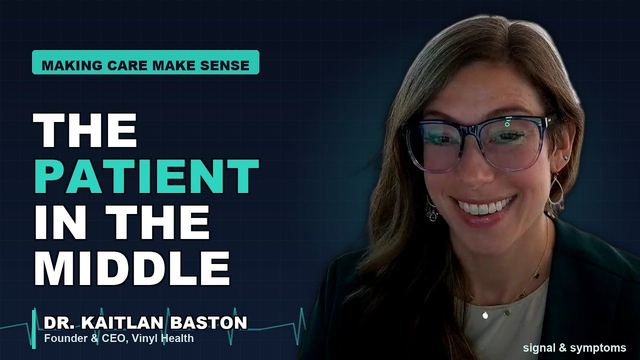
- Dr. Kaitlan BastonFounder and CEO, Vinyl HealthA primary care and addiction physician, former New Jersey Health Commissioner, who once ran a safety-net hospital. Built Vinyl, a personal health assistant that turns the medical record into plain language.Episode 53
- Sally Ann FrankGlobal Lead for Health and Life Sciences, Microsoft for StartupsLeads Microsoft's worldwide strategy for health startups and has worked with hundreds of early-stage companies. Shares a Startup Protocol for healthcare AI founders.Episode 28
- Robert Pearl, MDAuthor and former CEO, The Permanente Medical Group (Kaiser Permanente)Former CEO of The Permanente Medical Group, author of "ChatGPT, MD" and a Forbes contributor. Argues AI could improve care while costing less.Episode 21
- Martin Willemink, MD, PhDCo-founder and Chief Scientific Officer, SegmedA radiologist and former Stanford faculty member who became a founder to solve AI's data-diversity problem: training data that reflects the patients it serves.Episode 32
In their words
42 guests so far. Here are six of them, on what they see in healthcare AI. Tap one to open the episode.
Generative AI is a totally different technology. It provides expertise. We have to understand we are now at a moment in history that completely changes the world.
Clinicians using AI tools will thrive; clinicians not using it will not.
Boards do not need to be AI experts; they need to be asking the right questions.
There's no data set in the world that's a perfect data set. There's no such thing as a fully representative data set. It doesn't exist.
We're in the business of helping the people who help the people.
The human factor is what gets in the way, but also what will get things done in AI and healthcare.
Episodes
56 of 56, newest first
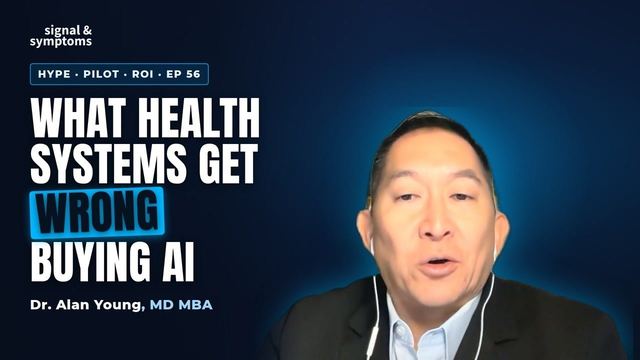
What Health Systems Get Wrong When They Buy AI
Most conversations about AI in health systems are about the model. This one is about the invoice, the incentives, and the data underneath. Dr. Alan Young has sat in nearly every seat at the table, vendor CMO, consultant, health-system operator, and buyer-side committee chair, which makes him unusually candid about what each one actually optimizes for.
Full details- Cold open: survive, get consolidated, or go out of business
- Welcome: meet Dr. Alan Young, who has sat in every seat
- The hidden cost of AI, and the incentives that bite (Alan Young)
- Soft ROI vs hard ROI: the irreplaceable-specialist math (Junaid)
The Weekly Diagnosis
A recap and a deeper essay for every episode, from Dr. Junaid Kalia, in your inbox. Over 10,000 people subscribe.
Questions
What is Signal & Symptoms?
A weekly healthcare AI podcast. Honest conversations with people who have built, bought and implemented healthcare AI, with no sales pitches and no AI evangelism.
Who hosts it?
Dr. Junaid Kalia hosts, with co-hosts Dr. Harvey Castro and Edward Marx.
How often is there a new episode?
Every week since October 2025. The newest episode is always the first one on this page.
Where can I listen?
On YouTube, on Apple Podcasts, or in any podcast app through the RSS feed. The links are in the footer and under the show description at the top of this page.
Who is it for?
Clinicians, health-system leaders, founders and investors who have to decide what AI belongs in patient care.
Can I be a guest?
Guests are invited by the team. If you would like to be considered, message Dr. Kalia on LinkedIn or use the guest portal.
Is this medical advice?
No. The show is for general information only and does not create a doctor and patient relationship. Read the full medical disclaimer in the footer.